
The Balance Between Luck and Skill
Casino games often evoke the notion that winning is solely a matter of luck. However, the reality is that many games incorporate varying degrees of skill alongside chance. For instance, in poker, players must make strategic decisions based on their understanding of both the game and the psychology of their opponents. Additionally, players exploring no kyc casinos can benefit from various strategies that enhance their gameplay, showcasing the importance of skill in what is frequently perceived as a game governed by luck.
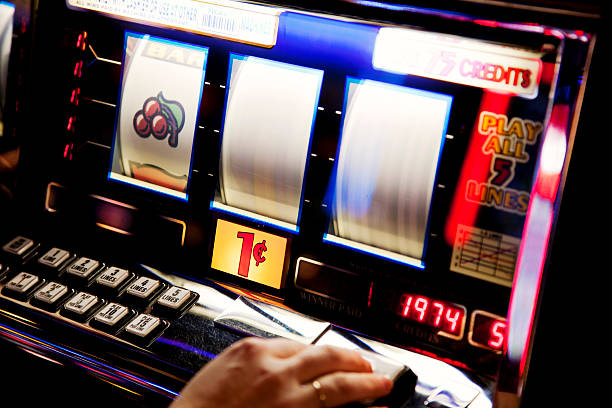
In contrast, games like slot machines rely almost entirely on random number generators, where the outcome is determined purely by luck. While players can choose betting amounts or game types, they cannot influence the result of any spin. This stark difference in how luck and skill intertwine plays a crucial role in player choices and the strategies they employ in different casino settings, influencing their overall experience and potential success. Understanding these dynamics can empower players to make more informed decisions based on their preferences and skill levels.
The interaction between luck and skill varies not only across different types of games but also within the realms of player experience. Seasoned gamblers often find themselves approaching games with a blend of instinct and knowledge, improving their chances of winning. Thus, understanding the balance between these two elements is fundamental for anyone looking to navigate the complexities of gambling and casino games effectively. It allows players to engage more deeply with the games they choose and enhances their enjoyment.
Games of Chance Versus Games of Skill
When analyzing casino offerings, one can categorize games broadly into two types: games of chance and games of skill. Games such as roulette and slot machines are quintessential examples of games of chance, where outcomes are entirely random, and players have little to no control over the results. In these games, luck is the predominant factor, and winning is often a matter of being in the right place at the right time. The thrill of these games lies in their unpredictability, making them popular among players seeking a fast-paced gaming experience.
Conversely, games like blackjack or poker are considered games of skill, as they require players to make informed decisions based on the cards they hold and the actions of others. A skilled player can use tactics such as card counting in blackjack or bluffing in poker to gain an advantage over competitors. Therefore, success in these games often hinges on a player’s ability to apply their knowledge and adapt to the dynamics of the game environment. This aspect of strategic gameplay adds depth and engagement, attracting players who enjoy intellectual challenges.

The distinction between games of chance and games of skill is significant not only for strategy but also for players’ mindsets. Those who enjoy games of chance often seek the immediate thrill of winning, while those who prefer games of skill might appreciate the intellectual challenge involved. Understanding these categories can help players align their choices with their preferences, ultimately enhancing their enjoyment and potentially their success. This knowledge also fosters a more strategic approach to gameplay, where players can tailor their experiences to suit their individual styles and preferences.
The Role of Strategy in Casino Games
Strategy plays an essential role in many casino games, particularly those that involve an element of skill. In games like blackjack, the application of basic strategy—understanding when to hit, stand, double down, or split—can reduce the house edge significantly. Players who take the time to learn these strategies can enhance their chances of winning, thus making skill an integral factor in their gaming experience. This strategic foundation not only helps in maximizing wins but also promotes a more analytical approach to gameplay.
Similarly, in poker, strategic decision-making is vital. Players must evaluate their hands, consider their opponents’ potential holdings, and determine the best methods to capitalize on their positions. The strategies developed by expert players often include psychological elements, such as bluffing and reading body language, making skill a crucial component of success in poker. This strategic complexity adds depth to the game, providing an engaging challenge for players. Mastering these skills can lead to a more rewarding experience and can significantly impact a player’s overall success.
While luck will always play a part in the outcome of any game—whether it be the shuffle of cards or the spin of a wheel—having a solid strategy can help mitigate that luck’s impact. Therefore, players who invest time in understanding and developing their strategies often find themselves enjoying more consistent results in skill-based games, illustrating the importance of skill in casino gaming. A well-rounded strategy not only enhances the player’s chances of winning but also enriches the overall gaming experience, turning each session into an opportunity for growth and learning.
Psychological Factors at Play
The psychological aspects of gambling cannot be overlooked when discussing the roles of luck and skill in casino games. Players often experience emotions such as excitement, anxiety, and even addiction, which can influence their decision-making processes. For instance, the feeling of being “on a lucky streak” can lead players to make riskier bets or chase losses, often resulting in negative outcomes. Understanding the psychological dynamics at play can enhance a player’s ability to manage their emotions and make more rational decisions. This awareness is crucial for maintaining a balanced approach to gaming.
Moreover, superstitions and rituals are prevalent in casino settings, especially in games perceived as luck-driven. Many players believe in lucky charms, specific betting sequences, or particular seating arrangements. While these practices can influence a player’s mindset, they do not alter the fundamental odds of the games. Recognizing the psychological pitfalls associated with gambling can help players remain grounded and maintain a healthier relationship with their gaming activities. This insight can foster more mindful gambling habits, reducing the risk of impulsive decisions driven by emotion.
In skill-based games, psychological factors also contribute to player behavior. Experienced players often utilize psychological tactics to outmaneuver opponents, such as bluffing in poker or reading an opponent’s body language for tells. The intersection of psychology with skill highlights the multifaceted nature of casino gaming, where understanding oneself and others can significantly impact the outcome of games. As players become more aware of these psychological elements, they can develop stronger strategies that account for both their own and their opponents’ emotions and behaviors, enhancing their overall performance.
Exploring More About Casino Dynamics
For those eager to delve deeper into the world of casino games and understand the intricate dynamics between luck and skill, various resources abound. Many reputable websites provide comprehensive guides, strategies, and tips for players looking to enhance their gaming experience. Educational content on these platforms often covers a wide range of topics—from basic game rules to advanced strategies for both seasoned players and newcomers alike. This wealth of information can be invaluable in helping players sharpen their skills and make informed decisions.
Moreover, engaging with online communities can offer valuable insights and shared experiences among players of different skill levels. Discussion forums and dedicated social media groups enable players to exchange strategies, share experiences, and learn from one another, further enriching their understanding of how luck and skill interact within the gaming environment. Such platforms create a thriving community for those interested in refining their skills and strategies, fostering collaboration and camaraderie among players.
Ultimately, grasping the roles of luck and skill in casino games can significantly enhance one’s overall experience. By balancing knowledge, strategic thinking, and emotional management, players can approach their gaming endeavors with greater confidence and insight. Whether you are a casual player or a serious gambler, understanding these dynamics will contribute to a more rewarding and enjoyable gaming journey. This holistic approach not only improves outcomes but also transforms the gaming experience into a more meaningful and engaging pursuit.